Learn to spot scams before they cost you.
A simple, free course that helps you and the people you love recognize online scams, avoid ransomware, and stay in control of your devices — brought to you by TechEase.

What is TechEase?
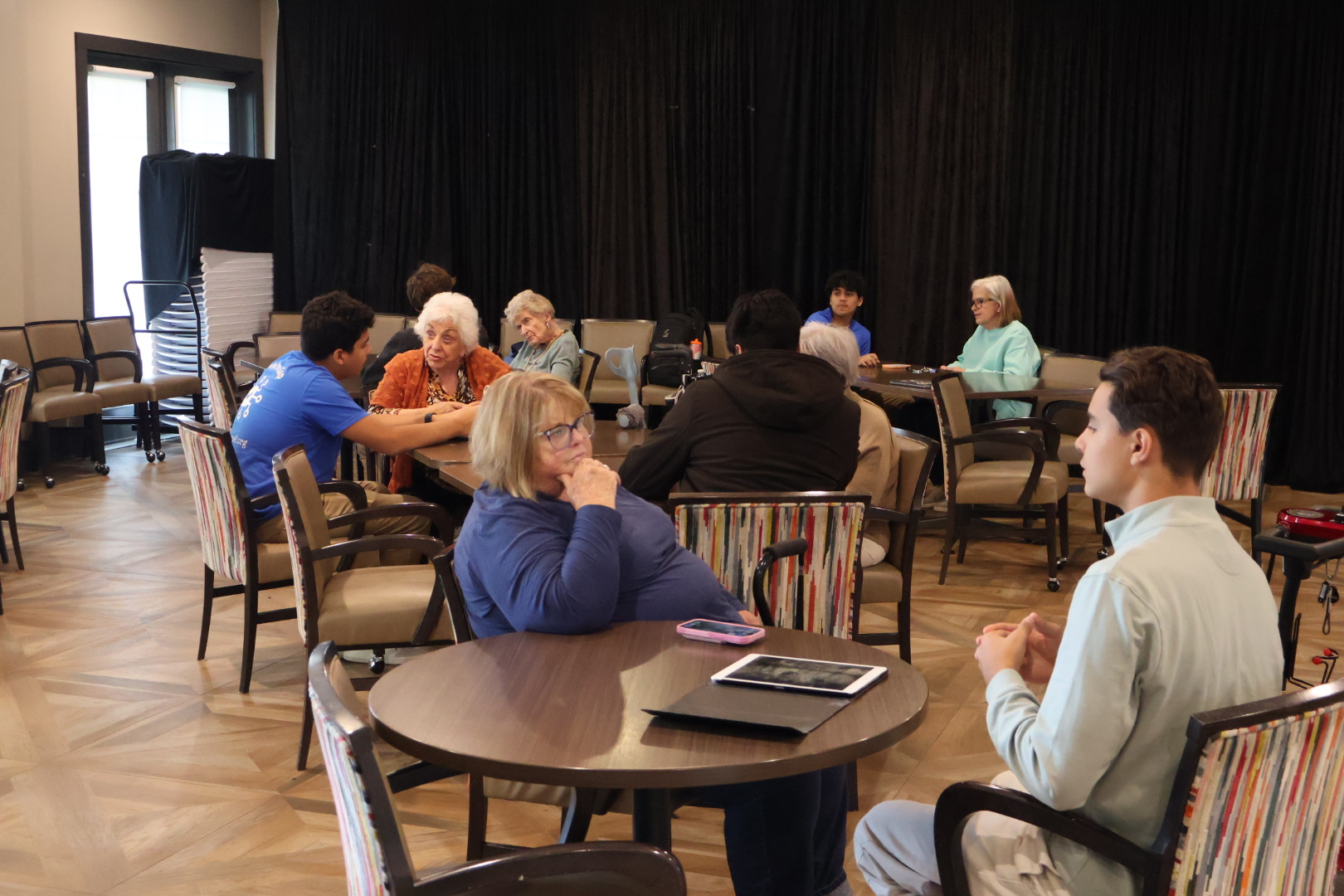
TechEase is a South Florida nonprofit whose mission is "Bridging the Gap, One Device at a Time." We pair seniors with trained student volunteers for free, one-on-one mentorship — helping people get comfortable with phones, tablets, and video calling, and teaching the cybersecurity basics that keep them safe from scams and fraud.
This course is our way of sharing that same cybersecurity education with anyone online, not just the seniors we mentor in person.
Want hands-on help?
If you're in South Florida, TechEase offers free one-on-one tech mentorship — a real person to walk you through your device and answer questions at your own pace.
If you're elsewhere, this free course covers the same core safety skills we teach in person: recognizing scams, securing your accounts, and knowing what to do if something goes wrong.
How people are being targeted online
Scammers increasingly target seniors and everyday internet users with tactics designed to create urgency, fear, or trust — then ask for money, passwords, or remote access to a device.
Tech support scams
A pop-up or phone call claims your computer is infected and asks you to pay for "help" or grant remote access.
Phishing emails & texts
Fake messages impersonate your bank, Amazon, or Social Security to trick you into clicking a link or sharing info.
Grandparent & emergency scams
A caller pretends to be a family member in trouble, pressuring you to send money right away.
Ransomware
Malicious software locks your files and demands payment to get them back — with no guarantee they will.
Romance & trust scams
A stranger builds an online relationship over weeks or months, then asks for money for an "emergency."
Reused passwords
One password used everywhere means a single data breach can unlock many of your other accounts.
Course reach and potential impact
See how far this free course has reached and explore its potential impact. The scam and dollar figures are estimates of potentially avoided harm, not measured outcomes.
Live updates are loading. Impact figures are estimates.
How we calculate this
"Site visits since launch" includes reported visits and automatically counted browser sessions. Reported totals are not independently verified, and the country distribution includes estimates. Visits are counted once per browser session where session storage is available, not as unique people or completed lessons. The estimates of scams and losses potentially avoided use two deliberately conservative, source-informed assumptions:
Avoidance rate — 3%. Microsoft's Digital Defense Report found that basic security-awareness training on its own, without ongoing reinforcement, reduces phishing susceptibility by only about 3% — so we use that low, conservative figure rather than a more optimistic one (source).
Potentially avoided loss — $500. The FBI's 2024 Internet Crime Complaint Center (IC3) report found an average reported loss of $19,372 per complaint overall, and $33,231 specifically for victims over 60 (source). Those averages are pulled way up by a relatively small number of very large-dollar cases — investment fraud, business email compromise — that a basic awareness course like this doesn't really address. So instead of using the full reported average, we use $500: a small, deliberately conservative stand-in for a typical loss from the more common scams this course covers, like phishing and tech-support scams.
Estimated scams potentially avoided = visits × 0.03, rounded for display. Estimated losses potentially avoided = visits × 0.03 × $500, calculated before rounding: for example, 4,826 visits gives 145 and $72,390. These assumptions illustrate possible impact; they do not measure this course's effectiveness or actual prevented cases or losses.
Our reach by country
Explore the course's reach around the world. Hover a country to see its visit total. Country distribution includes estimates. No individual visitor location is stored.
Darker = more visits. Country distribution includes estimates.
Six short lessons. No jargon. No sign-up.
Work through them in order, or jump to whatever's most relevant to you right now.
Ransomware Basics
What it is, how it spreads, and why it targets everyday people.
2Recognizing Phishing & Scam Calls
Spot the red flags in emails, texts, and phone calls.
3Password & Account Security
Strong passwords, password managers, and two-factor authentication.
4Updates & Backups
The single best defense against ransomware — and it's free.
5Safe Browsing & Downloads
Avoid the fake pop-ups and downloads that install malware.
6What To Do If You're a Victim
The exact steps to take — calmly and without shame.